
Evaluating Research Peptide Quality: Purity, Testing. and COAs

Purity, batch traceability, and independent lab testing are the only signals a buyer can actually verify. Everything else on a product page is copywriting.
Most of the risk in this market sits in sourcing, not chemistry. A compound with solid published research behind it stops mattering the moment the vial holds 78% of what the label claims. Deciding where to buy peptides is the one call that determines whether anything else you have read applies to you at all. This guide covers the checks you can run yourself, what a certificate of analysis proves and what it does not, and the honest limits of every signal a vendor is able to show you.
Table of Contents
- Where Can You Buy Peptides Legally?
- The Grey Market Peptides Problem
- Third-Party Testing Is the Only Real Filter
- How to Read a Certificate of Analysis
- Chinese Peptides and the Supply Chain Behind Most Vials
- Shipping, Storage, and Labeling Standards
- Choosing the Best Place to Buy Peptides
- FAQs About Where to Buy Peptides
Where Can You Buy Peptides Legally?
Research compounds are sold legally in the United States by suppliers that label and ship them for laboratory use only. You can buy from research chemical vendors, compounding pharmacies under a prescription, and licensed chemical distributors. Consumer supplement retailers do not carry these products. Legal to sell is not the same thing as approved for human use.
Three supply channels exist, and they behave nothing alike. Licensed distributors sell to institutions with purchase orders and account verification. Compounding pharmacies dispense against a written prescription. Research chemical vendors sell online to anyone, which is where nearly all retail traffic lands.
That third channel carries no licensing requirement, so the quality floor gets set by the vendor alone. Two sites with identical layouts can sit at opposite ends of the purity range.
Legality varies by country too. Several jurisdictions treat these compounds as prescription-only medicines, and customs seizure is a real outcome on cross-border orders. Check your own rules before ordering rather than after. If you are still working out what these molecules are, start with our guide to what peptides are and how they work.
Answering where to buy peptides starts with picking the right channel, then vetting the individual seller inside it. The channel sets your floor. The vendor sets everything above it.
The Grey Market Peptides Problem
Most online sellers occupy a grey zone. They are not pharmacies, not licensed distributors, and not regulated manufacturers. They buy bulk material, repackage it, and attach a research-use label.
Grey market peptides are not automatically poor material. The category simply carries no external check. Nobody audits the site, nobody verifies the label, and nobody confirms the vial matches the paperwork until the vendor arranges it themselves.
That gap produces four recurring failure modes:
- Purity below the figure stated on the product page
- A COA drawn from a different batch than the vial shipped
- Underfilled vials holding less material than labeled
- Degraded powder from warm-weather transit without insulation
None of it is visible to you. Lyophilized powder looks identical at 99% purity and at 80%. You cannot inspect your way out of this, which is exactly why documentation is the only leverage a buyer holds when working out where to buy peptides.
Reviews do not close that gap either. A satisfied buyer is reporting on packaging and delivery speed, not on molecular weight. Nobody posting a five-star rating has run a chromatogram on what arrived.
Third-Party Testing Is the Only Real Filter
Vendor-run testing is a marketing claim. Third-party testing is evidence. That distinction is the most useful filter available to you.
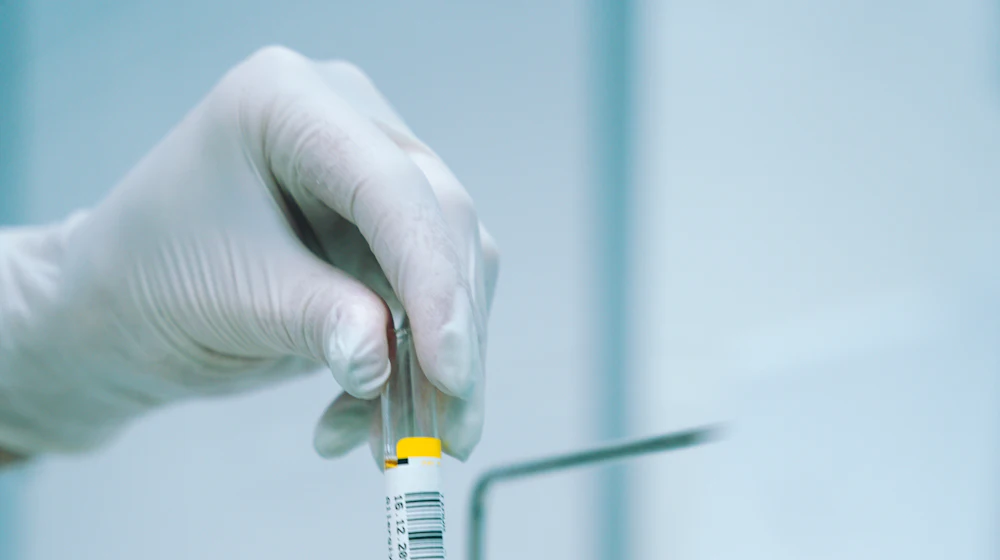
Two methods matter here. High-performance liquid chromatography, shortened to HPLC, separates the intended chain from truncated fragments and synthesis byproducts, then reports what fraction of the material is the target compound. Mass spectrometry measures molecular weight and confirms the sequence matches the name on the label.
A vendor showing only HPLC has demonstrated purity without demonstrating identity. A vendor showing only mass spec has demonstrated identity without demonstrating purity. You want both, produced by a lab with no ownership stake in the seller.
Set your floor at 98% purity for research material. Anything under that means a measurable fraction of the vial is something other than the compound you ordered. Applying that one threshold narrows the field faster than any other question about where to buy peptides.
How to Read a Certificate of Analysis
A COA counts as proof only when it ties to your vial. Most of its value sits in five fields, and checking them takes under two minutes.
| Field | What to check |
|---|---|
| Batch or lot number | Matches the number printed on your vial label |
| Test method | Names HPLC and mass spectrometry, not “internal QC” |
| Purity result | Stated as a percentage with the chromatogram attached |
| Testing lab | A named independent lab, never the seller |
| Test date | Recent, and tied to your batch rather than an older run |
Be honest about how often this breaks down. Plenty of vendors publish one COA per compound and reuse it across every batch for years. Others post a chromatogram image with the lab name cropped out. Some publish documents carrying batch numbers that match nothing on any vial they ship.
The fix is simple. Buy a single vial, compare its lot number against the published document, and scale up only when the two agree. A vendor that will not answer that question by email has answered it anyway.
Treat that one test as the deciding evidence on where to buy peptides. Confirming a matched lot number costs you a single order, and it settles a question no volume of website copy can.
Chinese Peptides and the Supply Chain Behind Most Vials
Nearly all raw material in this market is synthesized in China. That is a supply chain fact rather than an insult, and it holds true for well-regarded Western brands as much as for the cheapest listings you can find.
Chinese peptides reach buyers along several routes. Some manufacturers hold pharmaceutical-grade facility certifications and supply regulated customers with the same material. Others run smaller operations under looser controls. Country of synthesis tells you close to nothing on its own.
What changes the outcome is what happens next. A vendor that pulls samples from each incoming lot, sends them to an independent lab, and publishes the result has added a verification layer the factory never provided. A vendor that repackages and ships has added nothing at all.
Ordering direct from a factory removes that layer entirely. You save the markup and lose the only independent check in the chain. Minimum order quantities usually run into grams, which is another reason that route suits distributors rather than individual buyers.
So where to buy peptides is really a question about who tests the material after it lands, not about the map pin on the plant that made it.
Shipping, Storage, and Labeling Standards
Handling ruins more material than bad synthesis does. Lyophilized powder is stable, and it is not indestructible.
Ask three questions before you order:
- Is stock held refrigerated or frozen before dispatch?
- Do summer orders ship with insulation and cold packs?
- How long is transit, and does tracking come with it?
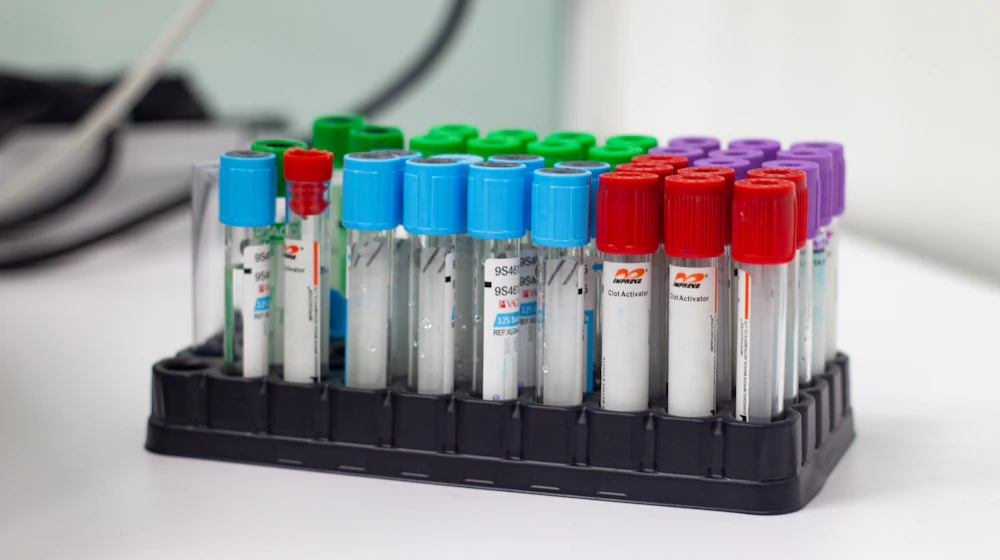
Labeling reveals the operation behind the website. Research-use-only wording, compound name, quantity in milligrams, batch number, and storage instructions all belong on the vial itself, not just the invoice. A vial arriving with a handwritten label is telling you something about everything upstream of it.
Read the product pages closely as part of deciding where to buy peptides. Any vendor writing dosing protocols, human outcome promises, or before-and-after imagery is showing you they will ignore the rules that apply to them. That willingness rarely stops at the marketing copy.
Choosing the Best Place to Buy Peptides
Run every candidate through one short list before you settle where to buy peptides. The best place to buy peptides is the vendor that clears all of it, never the one with the lowest price per milligram.
- Published COAs with batch numbers you can match to your vial
- A named independent lab, with HPLC and mass spec both present
- Purity at or above 98%, chromatogram visible
- Research-use-only labeling, no dosing or outcome claims
- Cold storage before dispatch, insulated shipping in summer
- A working contact channel that answers batch questions
Price belongs underneath those checks, never above them. A vial at half the going rate is usually a vial holding half the labeled material, or a compound made without the purification steps that cost real money.
None of those six items asks you to trust anyone. Each is a document or a written answer you can request before spending a dollar. Work the list top to bottom on every candidate, and where to buy peptides stops being a judgment call.
Finesse BioPep meets that list as one worked example. Our public certificate of analysis library carries third-party documents for 28 products, each tied to a batch number you can check. Apply the same six tests to every other vendor you shortlist, and treat matching evidence as the baseline rather than a bonus.
FAQs About Where to Buy Peptides
Where can I buy peptides without a prescription?
Research chemical vendors sell online without a prescription when material is labeled and sold for laboratory use only. That channel carries no licensing requirement, so vendor documentation stands in for regulatory oversight. Compounding pharmacies require a prescription. Consumer supplement retailers do not stock these compounds at all.
What is the best place to buy retatrutide peptides?
Retatrutide is an investigational compound with no FDA approval, so every available source is a research supplier. Apply the identical checks you would use on any other compound. Look for a batch-matched third-party COA, HPLC and mass spectrometry results, purity at or above 98%, and research-use-only labeling. Approval status for any drug is verifiable at the FDA.
Are cheap research compounds always lower quality?
Not always, and price on its own is a weak signal. Low prices sometimes reflect direct sourcing and thin margins. They more often reflect skipped purification steps, underfilled vials, or bulk material resold with no independent testing behind it. Compare cost per milligram against published COAs rather than against competing listings.
How do I know a COA is genuine?
Match the batch number on the document against the number printed on your vial. Look for a named independent laboratory, a test date, and an attached chromatogram rather than a bare summary figure. Documents with cropped lab names, missing batch numbers, or a single certificate reused across several years deserve no weight in your decision.
Does where to buy peptides matter more than which compound you choose?
For most buyers, yes. Published research describes one specific molecule at a stated purity. A vial missing either mark sits outside that literature entirely, so the study you read no longer applies to what you hold. Sourcing decides whether the evidence base has any bearing on your material.
Is buying research peptides legal in the United States?
Buying and possessing research-labeled compounds is legal in the United States when they are handled as laboratory materials. They hold no approval for human use, and selling them for human consumption is not permitted. Published work on these compounds is searchable through PubMed, which separates studied compounds from marketed ones. Our breakdown of peptide side effects covers the safety literature.
Batch-tested research material
Verify Before You Order
Every compound in our catalog ships with a batch-traceable certificate of analysis and third-party purity testing you can read before checkout. Hold any vendor to that same standard when you settle the question of where to buy peptides.