

KPV Peptide in Inflammation and Gut Research

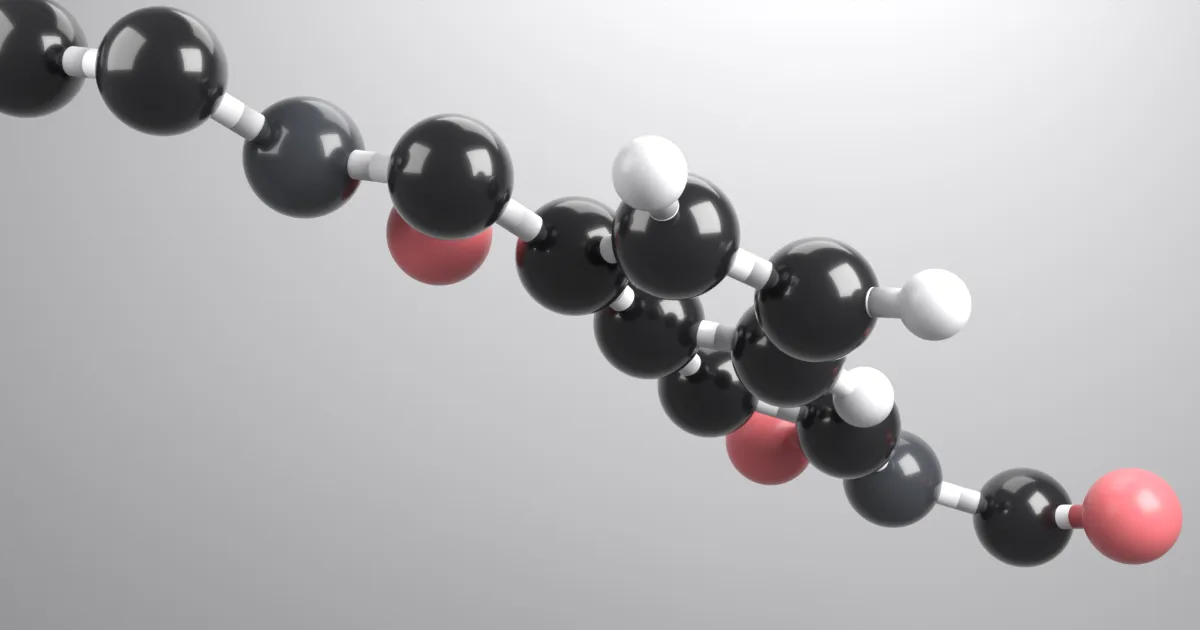
KPV is three amino acids clipped from the end of alpha-MSH. The mouse data are interesting. Controlled human data don’t exist yet.
KPV (lysine, proline, valine) is the C-terminal tripeptide of alpha-melanocyte-stimulating hormone, or alpha-MSH. Researchers study it for anti-inflammatory activity that appears to be separate from alpha-MSH’s effect on pigment (Getting et al., 2003). Nearly all published KPV work uses cell cultures and mouse colitis models, and no controlled human trial has been published. Here’s what those studies did, what they found, and what they leave open.
Table of Contents
- What Is KPV?
- How KPV Relates to Alpha-MSH
- KPV in Colitis and Gut Research
- The Nanoparticle Delivery Studies
- Why There’s No Human Data Yet
- Regulatory Status
- FAQs About KPV
What Is KPV?
KPV is a tripeptide: lysine, proline and valine, joined in that order. It’s about as small as a signaling peptide gets, which is part of why researchers find it useful. Small peptides are easier to make, easier to package into delivery systems, and in the gut they can ride transporters that normally carry fragments of digested protein.
Research interest centers on inflammation, especially in the intestine. Our earlier look at peptides in tissue research touched on KPV briefly as an anti-inflammatory candidate. This post gives it the full treatment.
How KPV Relates to Alpha-MSH
Alpha-MSH is a 13-amino-acid hormone. KPV is its last three residues, positions 11 through 13.
Full-length alpha-MSH works through melanocortin receptors, the same receptor family behind skin pigmentation and behind PT-141’s effects on desire. Alpha-MSH also has well-documented anti-inflammatory activity, and researchers wanted to know which part of the molecule carried it.
A 2003 study compared the hormone’s core sequence with the C-terminal KPV fragment. KPV kept anti-inflammatory activity in that work, and the activity appeared independent of the pigment-related receptor action of the full hormone (Getting et al., 2003). That finding is the main reason KPV gets studied on its own.
KPV in Colitis and Gut Research
The most cited KPV paper appeared in Gastroenterology in 2008 (Dalmasso et al., 2008). It had two parts.
In human intestinal and immune cell lines, KPV entered cells through PepT1, a transporter that normally moves small peptides from digested food into gut cells. Once inside, it dampened NF-kB and MAPK signaling, two central pathways cells use to switch on inflammation.
In mice, the team induced colitis with two different chemicals (DSS and TNBS), which are standard lab models of intestinal inflammation. KPV given by mouth lowered disease scores in both.
That’s a clean, well-designed result. It’s also a mouse result. Chemically induced colitis in mice develops over days and doesn’t match the long, relapsing course of human inflammatory bowel disease.
The Nanoparticle Delivery Studies
Later work asked how to get KPV to the colon more efficiently.
In 2010, researchers packed KPV into biodegradable nanoparticles and suspended them in a gel designed to release in the colon. In mice with DSS colitis, the nanoparticle version matched the effect of free KPV at a dose roughly 12,000 times lower (Laroui et al., 2010). A 2017 study coated KPV nanoparticles with hyaluronic acid and reported improved outcomes in a mouse model of ulcerative colitis (Xiao et al., 2017).
These are formulation studies. They show that KPV’s performance in animals depends heavily on how it’s delivered, which is useful to know before comparing any two experiments.
One more thing to watch for. Some papers study (CKPV)2, a dimer built from two KPV-containing units. It’s a different molecule, and its results in human immune cells and in rats (Gatti et al., 2006) don’t transfer automatically to KPV itself.
Why There’s No Human Data Yet
We found no published controlled human trial of KPV on PubMed or ClinicalTrials.gov. That leaves several open questions:
- There are no human pharmacokinetic or safety data for KPV by any route.
- The PepT1 mechanism was shown in cultured cell lines. Whether it works the same way in intact human gut tissue hasn’t been tested.
- Animal studies used short colitis windows. Long-term exposure hasn’t been studied, even in animals.
- Free peptide and nanoparticle formulations behave differently, and nobody knows which, if either, would matter in people.
None of that makes the existing research less interesting. It just defines where it stops. Our overview of peptide safety research covers why animal data can’t stand in for human safety data.
Regulatory Status
KPV is not an FDA-approved drug for any use, and it carries no labeled dose.
It has come up in FDA’s review of substances used in drug compounding, which is a separate process from drug approval. An earlier compounding nomination for KPV was withdrawn, and a new KPV nomination was on the agenda for FDA’s July 2026 Pharmacy Compounding Advisory Committee meeting. Research-grade KPV sits outside that process entirely. It’s sold for laboratory work.
For lab use, the paperwork is what matters. A certificate of analysis should name the compound, report HPLC purity, and match the batch number on your vial. Our guide to evaluating research peptide quality covers what to check.
FAQs About KPV
Is KPV the same as alpha-MSH?
No. KPV is the last three amino acids of alpha-MSH, which has 13. The fragment is studied separately because it appears to keep the hormone’s anti-inflammatory activity without its pigment-related receptor action.
Does KPV act on pigment the way Melanotan II does?
The published KPV research focuses on inflammation signaling, not pigmentation. The 2003 study that isolated KPV’s activity found it appeared independent of the pigment pathway. There are no human studies either way.
Has KPV been tested in people?
Not in any published controlled trial we could find. Every KPV-specific result to date comes from cell cultures or rodents.
How does KPV get into gut cells in these studies?
Through PepT1, a transporter that carries small peptides from digested food into intestinal cells. The 2008 Gastroenterology study showed KPV uses this route in cultured human cell lines.
How should KPV be stored?
Lyophilized powder keeps best cold and away from light. Check the product documentation and certificate of analysis for your specific vial, and see our lab handling guide for reconstitution and sterile technique.
Batch-tested research material
Check the Paperwork Before You Order
Our KPV, like every vial in our catalog, comes with documentation you can read first. Review our certificates of analysis before you buy.
All products are sold strictly for lawful laboratory research purposes only and are not for human or veterinary use or human consumption. This article summarizes published research for general information and is not a substitute for advice from your doctor. References: each study named above links to its record on PubMed, ClinicalTrials.gov, or FDA.gov.