

Peptides in Metabolic and Receptor-Signaling Research

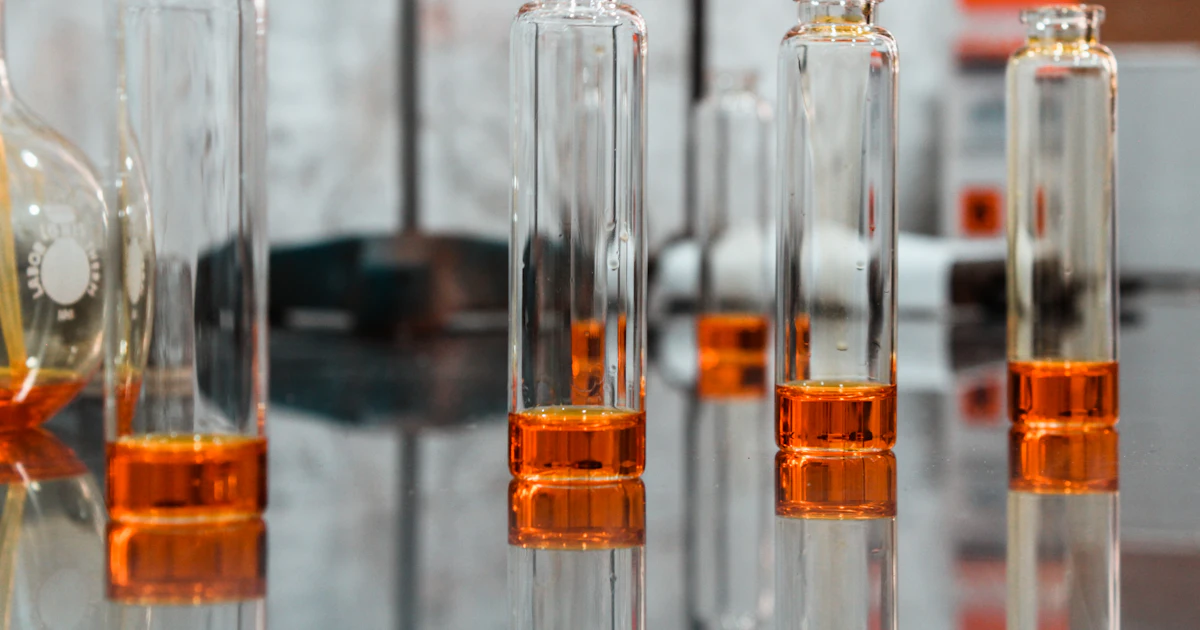
Approved drugs, investigational compounds, and research vials get discussed as one thing. The evidence behind them is nowhere near equal.
Peptides for weight loss moved from niche pharmacology to everyday conversation in a few short years. That conversation rarely separates three very different categories. Regulators approved some of these molecules after large human trials. Others sit in clinical study with no approval anywhere. A third group is sold as freeze-dried research material for laboratory work. Mixing the three is how readers end up expecting a documented outcome from an undocumented compound. This guide keeps them apart. You will see what published trials report for the approved agents, what stays unknown for the investigational ones, and why the timelines circulating online deserve a hard second look.
Table of Contents
- Do Peptides Help You Lose Weight?
- How Weight Loss Peptides Act on Appetite
- Common Peptides for Losing Weight
- What the Trial Literature Reports
- Why Reported Timelines Get Misread
- What Peptides for Weight Loss Women Should Know
- Will Peptides Help Gain Weight?
- Risks Behind Using Peptides to Lose Weight
- Sourcing, Purity, and Verification
- FAQs About Peptides for Weight Loss
Do Peptides Help You Lose Weight?
Approved GLP-1 receptor agonists produced weight reduction in large randomized human trials, and regulators reviewed that data before clearing them for defined patient groups under prescription. Investigational compounds in the same family hold no such approval. Research-grade material is sold for laboratory use, not for personal weight management.
That single paragraph contains the whole split in this field. Semaglutide, liraglutide, and tirzepatide have been through phase 3 programs, regulatory review, and post-market surveillance. Their labels exist, their warnings are public, and their trial data is indexed.
Retatrutide and cagrilintide have not finished that road. Both are in clinical development. Neither carries approval for human use in any country, and no regulator has signed off on a safety profile for either one.
Treating those two groups as interchangeable is the single most common error in this space. A shared receptor target does not transfer a safety record from one molecule to another.
Ask one question of any claim you read. Which of the three categories does this compound sit in, approved, investigational, or research-only? The answer reframes everything that follows it.
How Weight Loss Peptides Act on Appetite
The mechanism starts in your gut. Glucagon-like peptide-1, shortened to GLP-1, is an incretin hormone released after you eat. It signals the pancreas to release insulin in a glucose-dependent way, slows the rate at which the stomach empties, and acts on brain regions that govern appetite and fullness.
Natural GLP-1 is cleared from the bloodstream within minutes. Drug developers rebuilt the molecule to resist that breakdown, stretching a signal lasting minutes into one lasting days. If you want the underlying chemistry first, start with what peptides are and how signaling works.
Weight loss peptides differ by which receptors they hit. Semaglutide and liraglutide target the GLP-1 receptor alone. Tirzepatide adds activity at the GIP receptor. Retatrutide is designed as a triple agonist reaching GIP, GLP-1, and glucagon receptors.
Cagrilintide runs on a separate track entirely. It is a long-acting analog of amylin, a hormone co-released with insulin that contributes to satiety signaling.

Common Peptides for Losing Weight
Regulatory status is the column that matters most. Here is how the main compounds sort out.
| Compound | Mechanism | Regulatory status |
|---|---|---|
| Liraglutide | GLP-1 receptor agonist | FDA approved, prescription only |
| Semaglutide | GLP-1 receptor agonist | FDA approved, prescription only |
| Tirzepatide | Dual GIP and GLP-1 agonist | FDA approved, prescription only |
| Retatrutide | Triple GIP, GLP-1, glucagon agonist | Investigational, not approved |
| Cagrilintide | Long-acting amylin analog | Investigational, not approved |
Reading a table like this is the fastest filter you have. Peptides for weight loss with approval behind them have published labels you can check in minutes. The investigational entries have trial registrations and journal articles, nothing more.
What the Trial Literature Reports
Published trials for the approved agents share a common shape. Participants met defined eligibility criteria, received either the drug or a placebo, and had body weight measured at fixed points across many months.
Those papers report more than weight change. They document gastrointestinal adverse events, most commonly nausea, vomiting, diarrhea, and constipation. They record how many participants stopped taking the drug and why. Follow-up work after treatment ends reports weight regain in study populations.
Abstracts for this literature are indexed on PubMed, searchable by compound name in under a minute.
Investigational compounds have a much thinner file. Trials exist and results get published, though the record is shorter, the follow-up windows are narrower, and no regulator has audited the full dataset. Peptides for weight loss at that stage carry promise, not proof.
Why Reported Timelines Get Misread
A trial timeline is a protocol, not a forecast. Published dosing schedules step upward in stages across weeks, a design chosen to limit the gastrointestinal effects that hit hardest at the start.
Primary endpoints in these programs were measured after many months of treatment, not after a few weeks. Anyone quoting a tidy week-by-week schedule for peptides for weight loss is describing a study design and presenting it as a personal outcome.
Trial averages hide enormous individual spread. Participants had medical supervision, screening, and structured lifestyle support built into the protocol. Strip those out and the published average stops describing anything.
Dropout rates deserve the same scrutiny. Every published program reports how many participants left before the endpoint, and those people vanish from the headline number that gets quoted. A result drawn only from participants who finished describes a filtered group.
The honest answer on timing is short. Published results describe study populations under supervision, and no one can hand you a schedule for your own body.

What Peptides for Weight Loss Women Should Know
Registration trials for the approved agents enrolled both women and men, and several published analyses break results down by sex. Those breakdowns sit in the same journals indexed on PubMed, free to search.
Prescribing information matters more than any forum thread. Pregnancy warnings, contraception notes, and drug interaction data for approved agents are published by the FDA and updated as evidence changes. Read the label itself rather than a summary of it.
Researchers studying peptides for weight loss track body composition, not scale weight alone. Loss of lean mass alongside fat mass is a documented area of study across this drug class.
None of that paperwork exists for retatrutide or cagrilintide. No approved label means no pregnancy category, no interaction table, and no reviewed warnings for anyone.
Will Peptides Help Gain Weight?
No compound in this metabolic class is studied for weight gain. Peptides for weight loss run the opposite direction by design, reducing appetite and slowing gastric emptying.
Most people asking this question mean lean mass rather than scale weight. That points at a different family entirely, the growth hormone secretagogues such as ipamorelin, tesamorelin, and GHRP-2.
Those compounds sit one evidence tier down. Human pharmacokinetic data shows they raise circulating growth hormone. What that translates into for body composition is far less settled, and our guide to peptides for muscle growth covers the gap in detail.
Combining classes is a common assumption in forums and a poorly studied one in the literature.
Risks Behind Using Peptides to Lose Weight
Gastrointestinal effects dominate the reported adverse event data for approved GLP-1 agents. Nausea, vomiting, diarrhea, and constipation appear across the published trials for this class.
Approved labels carry warnings that regulators considered material enough to print. You can read every one of them on the FDA site without a login. Our breakdown of peptide side effects covers what the human safety literature does and does not establish.
Unapproved compounds carry no label at all. There is no reviewed warning section for peptides to lose weight that never cleared regulatory review, which means the risk profile is undescribed rather than absent.
Undescribed is not the same as safe. It means nobody has finished counting.
Sourcing, Purity, and Verification
The vial in your hand is a separate question from the published science. A compound with genuine trial data behind it tells you nothing about what a specific supplier shipped you.
Purity gets measured by high-performance liquid chromatography, shortened to HPLC, which separates the intended chain from truncated fragments and synthesis byproducts. Mass spectrometry then confirms the molecular weight matches the target sequence.
Those two tests produce a certificate of analysis. A useful certificate names the compound, states purity as a percentage, identifies the testing method, and carries a batch number matching the vial label. Anything missing that batch trace is a document, not verification.
Peptides for weight loss are among the most counterfeited research materials in circulation, which raises the value of third-party testing considerably.
Storage sits alongside purity. Lyophilized powder arrives freeze-dried for a reason, and heat exposure in transit degrades material before it reaches a bench. Ask how a supplier ships, not only how it tests.
FAQs About Peptides for Weight Loss
Are peptides for weight loss legal to buy?
Research-labeled compounds are legal to buy and possess in the United States when handled and sold as laboratory materials. They are not approved for human use, and selling them for human consumption is not permitted. Approved drugs in this class are a separate matter and require a prescription. Legal status and approval status answer two different questions, and merging them causes most of the confusion in this market.
How long do weight loss peptides take to work?
Published trials measured primary outcomes after many months, with doses stepped upward across weeks at the start. That schedule reflects a study protocol under medical supervision, not a prediction for any individual. No published timeline transfers cleanly to a person outside a trial, and research-grade material has no human timeline at all.
What separates retatrutide from semaglutide?
Semaglutide targets the GLP-1 receptor and holds FDA approval for defined indications. Retatrutide is designed to act at three receptors, GIP, GLP-1, and glucagon, and remains investigational with no approval in any country. The two sit in completely different evidence tiers inside the same broad family.
Does weight come back after stopping?
Published follow-up studies of approved GLP-1 agents report weight regain in study populations after treatment stops. Researchers describe these compounds as treatments for a chronic condition rather than a finite course. Anyone reading trial results should look at what the extension and withdrawal data reports, not the headline figure alone.
How should research vials be stored?
Lyophilized powder kept cold and away from light stays stable for months to years depending on the sequence. Once reconstituted with bacteriostatic water, that window narrows to weeks under refrigeration. Requirements vary by compound, and the product documentation or certificate of analysis should state them for the specific batch you hold.
Batch-tested research material
Check the Certificate Before the Claim
Every metabolic compound in our catalog ships with batch-traceable third-party purity testing you can read before you order. Compare peptides for weight loss research the honest way, on documentation.