

PT-141 and Peptides for Libido Research Explained


One bremelanotide product holds a narrow FDA approval. Everything sold as research material sits outside it. Here is where the line falls.
Sexual desire is generated in the brain, not in blood vessels. That single fact explains why peptides for libido get discussed differently from erectile drugs, and why the two keep getting confused in the same articles. PT-141, known generically as bremelanotide, is the only compound in this conversation with a regulatory approval attached to it. That approval is far narrower than most write-ups admit. This guide covers the receptor mechanism, the exact indication the FDA cleared, how it differs from sildenafil, and where research-grade material actually sits.
Table of Contents
- What Do Peptides for Libido Actually Do?
- How PT-141 Signals Through Melanocortin Receptors
- Where the FDA Approval Begins and Ends
- PT-141 Versus Peptides for Erectile Dysfunction
- Peptides for Sex Drive in Men and Women
- Other Libido Peptides Sold as Research Material
- Purity, Handling, and Honest Limits
- FAQs About Peptides for Libido
What Do Peptides for Libido Actually Do?
Peptides for libido act on the brain pathways that generate sexual desire rather than on blood flow to the genitals. PT-141 is the studied example. It binds melanocortin receptors in the central nervous system, a signaling route entirely separate from the vascular mechanism behind erectile drugs.
That distinction defines the category. Desire and physical response run on different systems, and a compound that shifts one may do nothing at all for the other.
The word libido carries two meanings that rarely get separated. Clinicians use it for spontaneous sexual desire. Marketing uses it for desire, stamina, and satisfaction bundled together. The research on PT-141 addresses the clinical meaning only.
Most material sold under this heading carries no human trial data. One compound is the exception, and the exception is narrow enough to deserve its own section below.
Low desire has causes no molecule addresses. Antidepressants, thyroid disorders, chronic stress, alcohol, and sleep debt all suppress it. A receptor agonist does not touch any of those, which is why clinical guidance starts with a workup rather than a prescription.
The framing on every vial matters too. Peptides for libido are sold to researchers, not to patients. That is legal reality, not a disclaimer someone tacked onto a footer you scrolled past.
How PT-141 Signals Through Melanocortin Receptors
PT-141 is a melanocortin receptor agonist. Melanocortin receptors sit in several tissues, including brain regions tied to arousal, appetite, and skin pigmentation.
The compound descends from alpha-MSH, a natural hormone best known for darkening skin. Researchers testing tanning peptides recorded unexpected arousal effects in subjects, and that observation redirected development toward sexual medicine.
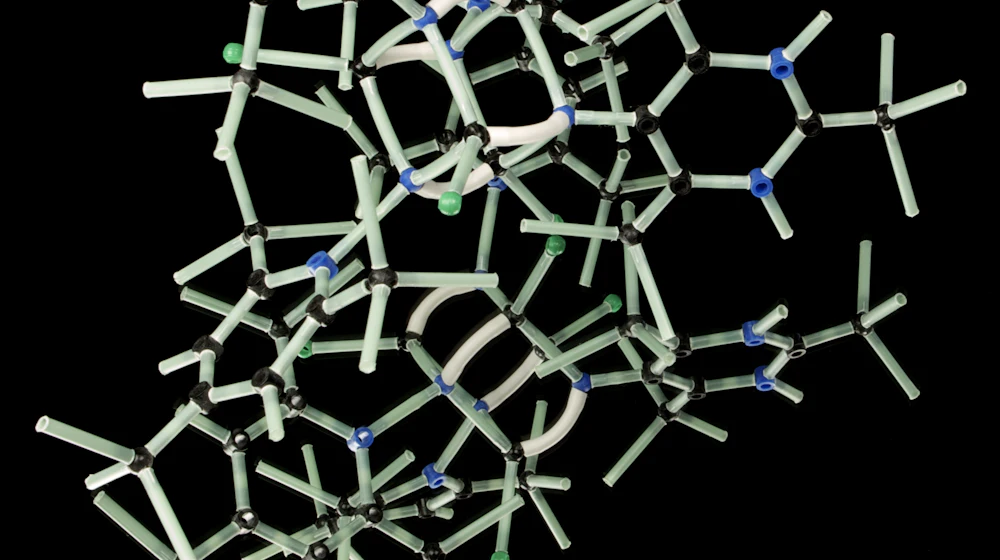
Structure explains the delivery route. Bremelanotide is a cyclic chain of 7 amino acids, and digestive enzymes break chains that size apart before absorption, so it is injected instead. Our guide to what peptides are covers why chain length sets that limit across the entire class.
Two receptor subtypes get named most often in this work, MC3R and MC4R. MC4R is heavily involved in appetite regulation, which offers a plausible reading of why nausea appears so consistently in the trial reports. A receptor sitting in more than one pathway produces effects in more than one pathway.
Timing separates it from the metabolic peptides people hear about more often. Semaglutide is engineered to stay active for days at a time. Bremelanotide clears within hours and was studied as an on-demand agent rather than a daily one.
The receptor target is what makes this mechanism unusual. Nearly every other option in sexual medicine works downstream, on blood vessels or on hormone levels. This one works upstream, inside the signaling that produces desire in the first place.
Where the FDA Approval Begins and Ends
One bremelanotide product holds FDA approval. The cleared indication is acquired, generalized hypoactive sexual desire disorder in premenopausal women, available by prescription only.
Read that indication slowly. Four qualifiers are doing real work inside it.
- Acquired. Desire declined after a period of normal desire.
- Generalized. It happens across situations, not with one partner.
- Premenopausal. The tested and approved population stops there.
- Prescription. A clinician screens, prescribes, and monitors.
That approval covers no one else. It does not extend to men, to postmenopausal women, to people without the diagnosis, or to peptides for libido purchased as research material.
Approval status takes under a minute to check at the FDA. That one check separates a regulated medicine from a research chemical faster than any marketing page ever will.
The gap matters most where the language blurs. An approved drug and a research vial can hold the same sequence and still sit in completely different legal and clinical worlds. Same molecule, different rules, different oversight, different risk.
PT-141 Versus Peptides for Erectile Dysfunction
Peptides for erectile dysfunction is a search phrase built on a mismatch. The standard drugs for erectile dysfunction are not peptides at all.
Sildenafil and tadalafil are small synthetic molecules. They block an enzyme called PDE5, which raises cGMP in vascular tissue and lets blood vessels relax. The output is a physical response, not a change in desire.
| PT-141 (bremelanotide) | PDE5 inhibitors | |
|---|---|---|
| Molecule type | Peptide, 7 amino acids | Small synthetic molecule |
| Target | Melanocortin receptors | PDE5 enzyme |
| Site of action | Central nervous system | Blood vessels |
| Addresses | Desire | Physical response |
| Approved for | HSDD in premenopausal women | Erectile dysfunction |
The two are not rivals. Someone with normal blood flow and no desire gets nothing useful from a PDE5 inhibitor. Someone with desire and a vascular problem gets nothing useful from a melanocortin agonist.
That is the practical reason to keep them straight. Picking the wrong mechanism for the actual problem wastes money and delays a real diagnosis.
Cause outranks compound here. Erectile dysfunction is often the first visible sign of vascular disease, diabetes, or a hormone disorder. Self-sourcing either category trades a treatable underlying condition for a temporary workaround.
Peptides for Sex Drive in Men and Women
Peptides for sex drive were tested in both sexes. The regulatory outcome split sharply between them.
Peptides for libido women and the approved indication
The approval lives here. Trials enrolled premenopausal women carrying a diagnosis of acquired, generalized HSDD, and the FDA cleared bremelanotide on that basis alone.
Reported adverse effects included nausea, flushing, headache, and injection site reactions. Transient blood pressure increases appear in the product labeling, and that finding is why prescribing stays supervised. You can see what the human safety literature establishes across compound classes in our breakdown of peptide side effects.
Peptides for libido men and the evidence gap
No approval exists for men. Bremelanotide was investigated in men at an earlier stage of its development and never reached approval for that use.
Men buying research vials are working outside any tested protocol, any labeled dose, and any monitoring. The cardiovascular profile above is the specific reason that gap carries weight.

Other Libido Peptides Sold as Research Material
Libido peptides is a loose label stretched across compounds with wildly different evidence behind them.
Peptides for sexual arousal beyond PT-141
Melanotan II is the closest relative. It is a melanocortin agonist developed for pigmentation, and the arousal effects seen in early work are what pointed researchers toward bremelanotide. It holds no approval in any country for any indication.
Oxytocin comes up constantly in this discussion. The hormone has documented roles in bonding and reproductive signaling, thin controlled data on desire itself, and no place in this catalog.
Why peptides that increase libido is a claim, not a category
Search results promise an entire class of compounds that increase libido. The published record does not support one.
Sort every claim by evidence tier before you act on it. Bremelanotide has human trials and one narrow approval. Melanotan II rests on early observational reports. Everything else in this space sits on animal models, small samples, or nothing you can read.
Sourcing sits underneath all of it. Before your money changes hands, check the seller against our guide to where to buy peptides safely online.
Purity, Handling, and Honest Limits
Research material is only as good as its paperwork. Without a certificate, a vial is an unknown powder wearing a printed label.
A certificate of analysis should name the compound, state purity measured by HPLC, identify the testing method, and carry a batch number matching the vial you received. You can read certificates of analysis for the compounds in this catalog, PT-141 10mg included.
Material ships lyophilized, meaning freeze-dried to a stable powder. Reconstitution calls for bacteriostatic water, and the reconstituted vial then needs refrigeration and protection from light.
Purity and evidence answer two different questions. A 99% pure vial of a compound with no human data is still a compound with no human data. Abstracts for the trials behind every claim here are indexed on PubMed.
Peptides for libido attract more marketing distortion than almost any other category. Reading the certificate and the approval status together filters out most of it in about two minutes.
FAQs About Peptides for Libido
Is PT-141 approved for men?
No. The FDA approval for bremelanotide covers acquired, generalized hypoactive sexual desire disorder in premenopausal women only. The compound was investigated in men earlier in its development and never reached approval for that population. Material sold to men online is research-grade and carries no labeled dose and no tested protocol.
How do peptides for libido differ from Viagra?
They act on different systems entirely. PT-141 binds melanocortin receptors in the brain and targets desire. Sildenafil blocks the PDE5 enzyme in blood vessels and targets physical response. One is a peptide, the other is a small synthetic molecule. Neither substitutes for the other, and neither corrects an underlying medical cause.
Are libido peptides legal to buy?
Compounds labeled and sold for laboratory research are legal to purchase and possess in the United States. They are not approved for human use, and selling them for human consumption is not permitted. Legal status and approval status answer two separate questions that marketing copy often merges into one.
What side effects show up in the research?
Nausea, flushing, headache, and injection site reactions were reported in the clinical trials behind the approved bremelanotide product. Transient blood pressure increases appear in its labeling, and that finding is the reason prescribing stays supervised. Research-grade material carries no labeling, so no comparable safety information travels with the vial.
Does oxytocin help with low desire?
Controlled human evidence is thin. Oxytocin has documented roles in social bonding and reproductive signaling, and the data on desire itself remains limited and inconsistent. It is not stocked in this catalog. Anyone treating it as an established option is running well ahead of the published record.
How should peptides for libido be stored?
Lyophilized powder stays stable for months when kept cold and out of light. Once reconstituted with bacteriostatic water, that window drops to weeks under refrigeration. Requirements vary by compound, and the product documentation or certificate of analysis should state them for your specific vial.
Batch-tested research material
Check the Paperwork Before You Order
Every vial in our catalog, PT-141 10mg included, ships with a batch-traceable certificate of analysis you can read before you buy.